
 | |
| photo by carrotcreative | via PhotoRee |
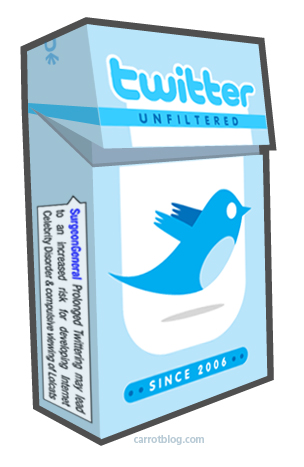
Let me start out by saying this: I love Twitter. I find it interesting to see the "unfiltered" thoughts of the various Manchester United players on the social networking service, as well as a useful form of communication with people of like minds around the globe. But the focus of today's column is not about how much I love Twitter, but rather on how it may be leading to unforseen problems in the Manchester United camp.
Rather than the agent-polished, PR-produced ramblings of Cristiano Ronaldo's Twitter account ("I scored two goals today, and am very proud of the team's achievement"), the steady stream of "tweets" coming from the United camp of players is authentic, and often unfiltered. Rio Ferdinand was first to the game, cultivating a direct and instant communication bond with his fans. Rio opened up the inside of an athlete's mind to his legions of supporters, and created a movement. He's been richly rewarded for his early adoption: Rio is now consistently the number one or two most followed person on Twitter in England, and has his own personal army of more than a million followers.
Rather than the agent-polished, PR-produced ramblings of Cristiano Ronaldo's Twitter account ("I scored two goals today, and am very proud of the team's achievement"), the steady stream of "tweets" coming from the United camp of players is authentic, and often unfiltered. Rio Ferdinand was first to the game, cultivating a direct and instant communication bond with his fans. Rio opened up the inside of an athlete's mind to his legions of supporters, and created a movement. He's been richly rewarded for his early adoption: Rio is now consistently the number one or two most followed person on Twitter in England, and has his own personal army of more than a million followers.
Rio was followed by Luis Nani, who has also done remarkably well on the medium, despite the fact that English is not his first language. Nani took to Twitter like a Portuguese duck takes to water, and was warmly greeted by the Twitterverse. In short order, Antonio Valencia and Michael Owen followed. The former has tweeted only infrequently, hampered by his admitted lack of command of the English language; the latter has been a revelation, adding some rich and well received insight into the beating heart of a true player. Michael Owen's foray into Twitter has been universally well received, and the former scouse heartbreaker has been transformed into Red Devil elder spokesman before our very eyes, both on the pitch and off it.
Then the story becomes more complicated. Owen was followed in short order by Wayne Rooney, and for a brief but eventful moment, by Darren Gibson, as well. While Wazza's appearance in the Twitter-verse coincided with his overall return to form, and the outpouring of affection from his fans appears genuine, Gibson's foray into social media, brief as it was, marked another kind of reaction among the fan base: unfiltered abuse. So strong was the string of epithets and critiscism directed at the Irishman that he lasted a whopping 45 minutes or so before closing his account. Sometimes it's truly better not to know what people REALLY think of you.

